26 Oct 2026
We are open Mon-Fri: 6 AM - 6 PM

We are open Mon-Fri: 6 AM - 6 PM
Call us now 0420 360 720

NOV
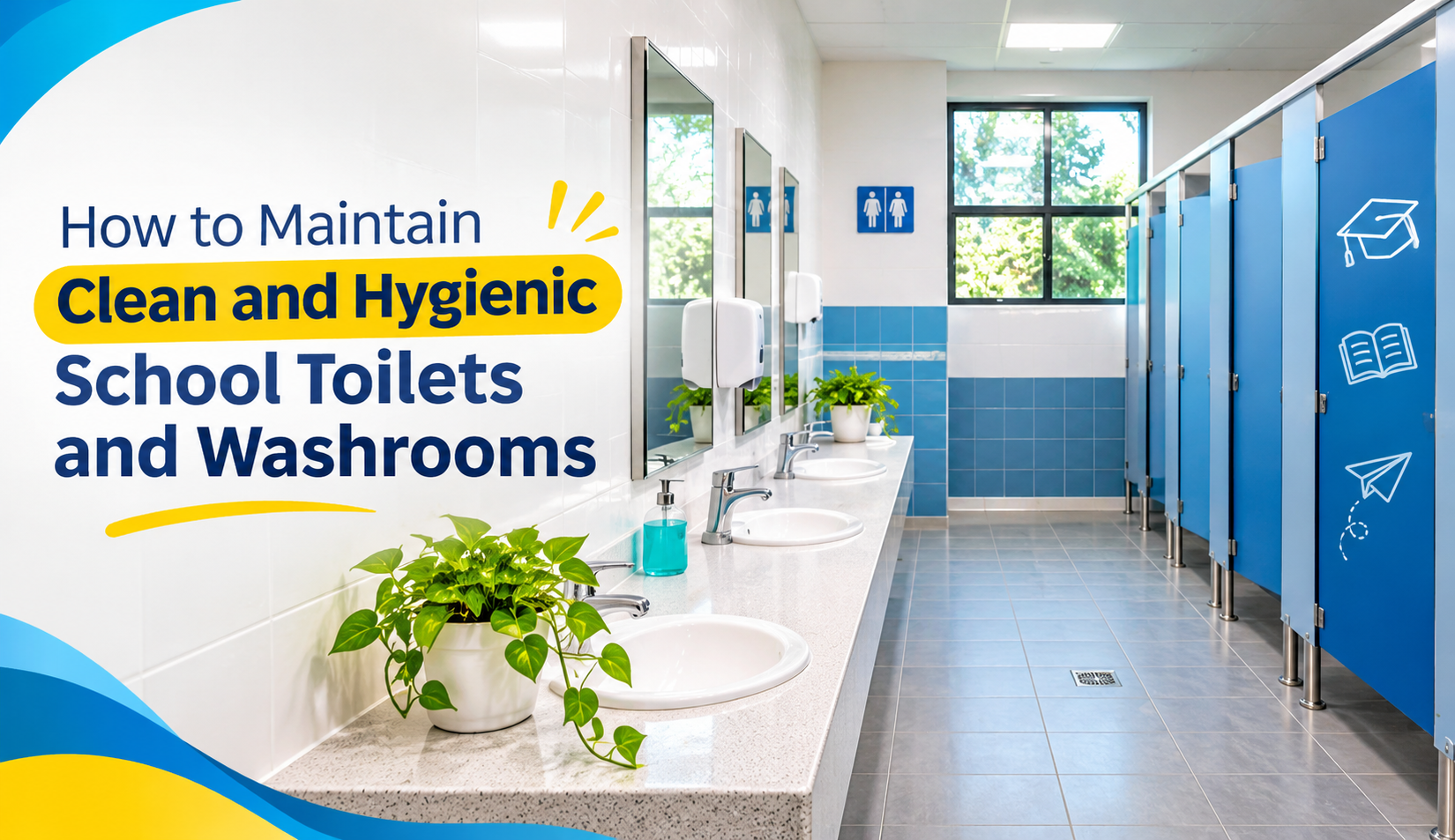
School toilets and washrooms are among the busiest areas in an educational facility. Students, teachers and other staff members use these spaces throughout the day. As a result, dirt, germs, moisture and unpleasant smells can build up quickly.
Maintaining clean school washrooms is not just about appearance. It also supports better hygiene, creates a comfortable environment and encourages students to develop good personal habits.
With a regular cleaning schedule, suitable products and proper maintenance, schools can keep their washrooms fresh and hygienic. Let’s explore some simple ways to maintain clean and safe school toilets.
School washrooms experience heavy daily use, making regular cleaning essential. Here are some important reasons to maintain proper washroom hygiene.
Students share toilets, taps, flush buttons and door handles. These frequently touched surfaces can collect germs. Regular cleaning and disinfection help reduce contamination and support better hygiene.
Clean and fresh washrooms make students feel more comfortable. They also show that the school cares about the health and well-being of everyone on its premises.
Clean washrooms encourage students to wash their hands, use bins properly and respect shared spaces. Schools can also display simple hygiene reminders near sinks and toilets.
A proper cleaning routine helps schools maintain washroom hygiene throughout the day. Here are eight practical steps to follow.
A consistent cleaning schedule helps prevent dirt and unpleasant smells from building up.
Schools should create a timetable based on student numbers and daily washroom usage.
A suitable routine may include:
A structured school bathroom cleaning routine ensures every area receives proper attention.
Toilets require special attention because they can collect stains, bacteria and unpleasant odours.
Cleaning staff should:
Always follow product instructions and allow disinfectants the recommended contact time.
Sinks and taps can quickly collect soap residue, dirt and watermarks. Clean them regularly to maintain good hygiene.
Remember to:
During school bathroom cleaning, staff should also check that all taps and handwashing facilities work properly.
Washroom floors collect water, mud and dirt throughout the day. Wet floors can also create slipping hazards.
Follow these simple practices:
Regular floor maintenance helps keep school washrooms clean and safe.
Students need access to basic hygiene products whenever they use school washrooms.
Staff should regularly check and refill:
As part of school bathroom cleaning, staff should check these supplies to ensure students can maintain good personal hygiene.
Door handles, cubicle locks, taps, flush buttons and light switches receive frequent contact throughout the day.
Clean and disinfect these surfaces regularly using suitable products. Staff should also use separate cleaning cloths for toilets, sinks and other areas to prevent cross-contamination.
Unpleasant smells can make washrooms uncomfortable. They may come from dirty drains, overflowing bins, poor ventilation or inadequate cleaning.
Schools can manage these problems by:
Good ventilation also helps control excess moisture and reduces the risk of mould growth.
Students also play an important role in maintaining clean washrooms.
Schools can display simple reminders encouraging students to:
These small actions help students respect shared facilities and develop better hygiene habits.
Even with a regular cleaning schedule, certain mistakes can affect hygiene standards.
Using one cloth for toilets, sinks and other surfaces can spread contamination. Use separate, colour-coded cleaning cloths for different areas.
Corners, drains, cubicle walls and areas behind toilets often collect dirt. Include these spaces in the regular cleaning routine.
Excessive cleaning chemicals do not guarantee better results. Always follow the manufacturer’s instructions for correct use and dilution.
Washrooms can become untidy during busy school hours. Regular inspections help staff identify problems and maintain cleanliness throughout the day.
Maintaining school washrooms can be challenging, especially in facilities with large student populations.
Professional cleaners use suitable equipment, cleaning products and structured methods to maintain hygiene standards.
Professional cleaning support can help schools:
A reliable cleaning team can also work around school schedules to minimise disruption.
Clean school washrooms require regular attention, proper cleaning methods and a reliable maintenance routine. From disinfecting toilets to cleaning sinks and refilling hygiene supplies, every task contributes to a healthier learning environment.
If your educational facility needs professional cleaning support, Handy Cleaning can help you maintain cleaner and more hygienic spaces.
For reliable School Cleaning Services Geelong, consider professional cleaning support to keep your school’s toilets and washrooms fresh, presentable and comfortable for students and staff.
Get in touch with Handy Cleaning to discuss your school’s cleaning requirements.
Clean and hygienic school washrooms are an important part of a healthy learning environment. Regular cleaning, proper disinfection, good ventilation and sufficient hygiene supplies help maintain comfortable facilities.
Schools should follow a structured cleaning schedule and encourage students to take responsibility for shared spaces. Regular inspections and professional cleaning support can also prevent hygiene issues.
Handy Cleaning understands the importance of maintaining clean and welcoming spaces. With consistent care and the right cleaning approach, schools can keep their toilets and washrooms fresh, hygienic and ready for everyday use.



Quality Services provider