13 Oct 2026
We are open Mon-Fri: 6 AM - 6 PM

We are open Mon-Fri: 6 AM - 6 PM
Call us now 0420 360 720

AUG
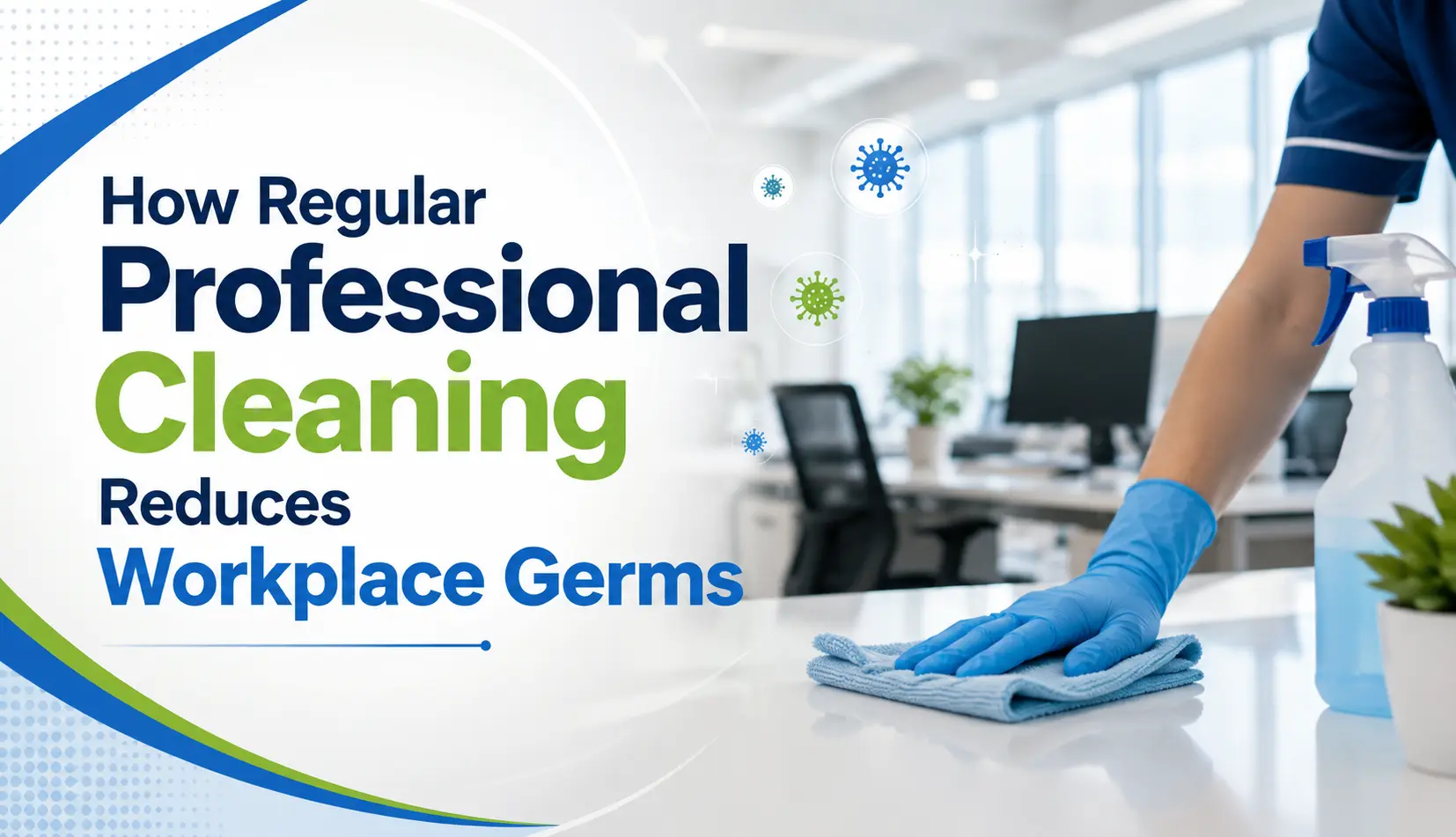
A clean workplace is more than a place that looks neat and organised. It also helps create a healthier and more comfortable environment for employees, clients and visitors. Every day, people touch desks, keyboards, door handles, phones, kitchen surfaces and shared equipment. These areas can collect dirt, bacteria and other microorganisms over time.
Regular professional cleaning plays an important role in reducing workplace germs. The Australian Government notes that routine cleaning and disinfection can reduce microorganisms on surfaces and minimise the chance of transmission from contaminated surfaces.
For Australian businesses, keeping the workplace clean should be part of a regular routine rather than something done only when the office looks dirty. A consistent cleaning schedule can help maintain a fresher, more hygienic workplace throughout the year.
Workplaces have many shared spaces and high-touch surfaces. Employees may use the same door handles, photocopiers, kitchen appliances and meeting-room equipment throughout the day.
Germs can move from one surface to another when people touch these areas. They can also transfer to hands and then to the eyes, nose or mouth. Healthdirect explains that germs collect on our hands during everyday activities and can spread when we touch vulnerable areas such as the eyes, nose and mouth.
Some common areas where germs can build up include:
This is why regular cleaning matters, even when surfaces appear clean.
Professional cleaning focuses on more than removing visible dust. It uses planned cleaning routines to address areas that employees frequently touch.
Dust, food particles, spills and other debris can collect on workplace surfaces. If they remain for long periods, they can make the workplace feel unclean and may contribute to an environment where microorganisms remain.
Regular cleaning removes this build-up before it becomes a larger problem. Cleaners can work through desks, floors, common areas, kitchens and bathrooms according to a set schedule.
This consistent approach is an important part of reducing workplace germs because it prevents dirt and contamination from simply accumulating over time.
Not every surface in an office receives the same amount of use. A cupboard door may be touched occasionally, while a door handle or lift button may be touched many times throughout the day.
Professional cleaners can identify high-touch areas and include them in regular cleaning routines.
These areas may include:
The Australian Government has identified high-touch surfaces such as tabletops, door handles, light switches and bathroom fixtures as areas that should receive regular cleaning and disinfection in relevant settings.
One of the biggest advantages of professional cleaning is consistency.
When cleaning depends only on employees, some tasks may be forgotten during busy periods. Staff may wipe their own desks but overlook shared areas, floors, bathrooms or kitchen surfaces.
A professional cleaning team follows a planned schedule. This helps ensure important areas receive attention regularly.
A consistent cleaning routine supports reducing workplace germs because cleaning becomes part of the normal operation of the business rather than an occasional task.
Office kitchens are shared spaces where many people prepare food, make drinks and use the same appliances.
Fridge handles, microwave buttons, taps, benches and cupboard handles can receive frequent contact throughout the day. Food crumbs and spills can also collect on surfaces if they are not cleaned regularly.
Professional cleaners can clean and sanitise suitable kitchen surfaces as part of the workplace cleaning schedule. They can also empty bins, clean floors and remove visible food residue.
Employees should still clean up after themselves, but regular professional cleaning provides an additional layer of cleanliness for shared areas.
Bathrooms are another important part of workplace hygiene.
Employees and visitors use the same toilets, sinks, taps, door handles and other fixtures. These areas need regular cleaning to maintain a hygienic environment.
Professional cleaners can clean toilets, basins, taps, mirrors, floors and other bathroom surfaces. They can also replenish supplies such as soap and toilet paper when this is included in the cleaning service.
A clean bathroom also improves the overall impression of a workplace. Employees are more likely to feel comfortable when shared facilities are properly maintained.
A clean workplace can make the office more pleasant for employees. Nobody wants to spend their working day surrounded by overflowing bins, dirty bathrooms, dusty desks or sticky kitchen surfaces.
Good workplace hygiene is one part of creating a safe and healthy working environment. Healthdirect notes that having a safe and healthy workplace is important for overall wellbeing.
While cleaning cannot prevent every illness, it can support good hygiene practices and help keep commonly touched surfaces cleaner.
This is another reason why reducing workplace germs should be considered part of a wider workplace hygiene strategy.
Cleaning and disinfection are related but different processes.
Cleaning generally removes dirt, dust and other unwanted material from a surface. Disinfection uses appropriate products to reduce or eliminate microorganisms on suitable surfaces.
The Australian Government recommends following product instructions when using disinfectants because the product needs sufficient contact with the surface to work effectively.
A professional cleaning team can follow the correct process for different surfaces and use suitable products as required.
Businesses should also remember that not every workplace needs intensive disinfection every day. The right cleaning routine depends on the type of workplace, how many people use it and the level of activity.
Professional cleaning works best when combined with simple daily habits.
Employees can help maintain a cleaner workplace by:
Hand hygiene is particularly important because hands can pick up germs from everyday surfaces. Healthdirect recommends washing hands with soap and water when they are visibly dirty and after contact with things that may contaminate them.
These simple habits, combined with professional cleaning, can make a noticeable difference.
There is no single cleaning schedule that suits every workplace.
A small office with a few employees may need a different routine from a busy workplace with hundreds of staff and frequent visitors. Businesses should consider:
Busy workplaces may benefit from more frequent cleaning of high-use areas.
The key is to create a practical schedule that keeps important areas clean without disrupting normal business operations.
A workplace cleaning routine can include a combination of daily, weekly and periodic tasks.
Daily tasks may include:
Depending on the workplace, deeper tasks may include:
A professional team can adjust the schedule based on the needs of the business.
Some businesses may see cleaning as a basic maintenance task. However, it contributes to the overall workplace environment.
A professional cleaning service can save employees from spending valuable working time on cleaning duties. It also provides a more structured approach to workplace hygiene.
Most importantly, regular cleaning supports reducing workplace germs by keeping commonly used areas clean and maintaining a consistent hygiene routine.
It also helps businesses create a better impression for clients and visitors. A clean reception area, fresh-smelling bathroom and tidy meeting room can make the workplace feel more professional.
Workplaces are busy environments where people share spaces, surfaces and equipment every day. Germs can easily move through frequently touched areas, which makes regular cleaning an important part of workplace hygiene.
Professional cleaning cannot guarantee that germs or illness will never enter an office. However, regular and thorough cleaning can reduce contamination on surfaces and support a cleaner workplace.
For businesses looking for a reliable cleaning routine, Handy Cleaning Services can help maintain a cleaner and more comfortable working environment. If you need professional support, consider an Office Cleaning Service Geelong to keep your workplace fresh, hygienic and ready for each working day.
A cleaner office is not just about appearance. It is about creating a workplace where people can work comfortably and confidently.


Quality Services provider