03 Jul 2026
We are open Mon-Fri: 6 AM - 6 PM

Contrary to popular belief, Lorem Ipsum is not simply random text. It has roots in a piece of classical Latin literature from 45 BC, making it over 2000 years old.
We are open Mon-Fri: 6 AM - 6 PM
Call us now 0420 360 720

JUL
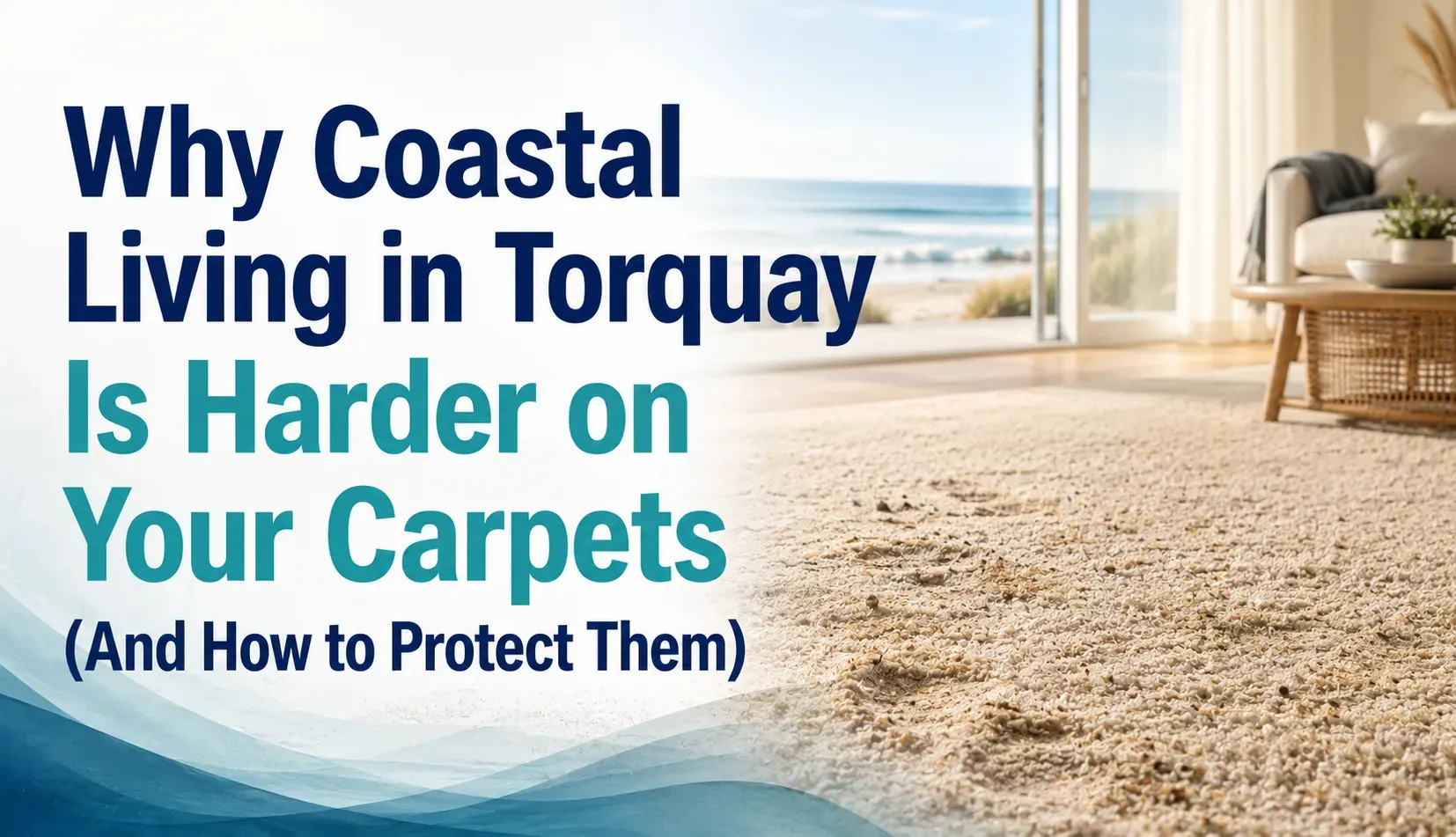
Living in Torquay comes with many benefits. Beautiful beaches, fresh ocean air, and a relaxed coastal lifestyle make it one of Australia’s most desirable places to live. However, while the seaside environment is great for people, it can be tough on your home’s carpets. Many homeowners do not realise how coastal living affects carpets until they notice stains, unpleasant smells, or worn carpet fibres.
Sand, salt, moisture, and humidity all play a role in reducing the life of your carpets. Without regular care, these factors can cause permanent damage and expensive replacements.
In this blog, we’ll explain how coastal living affects carpets, why Torquay homes need extra carpet care, and the simple steps you can take to keep your carpets looking fresh for years.
Living close to the ocean means your home is exposed to environmental conditions that inland properties rarely experience.
The combination of salty air, beach sand, high humidity, and changing weather creates the perfect environment for carpet wear. Understanding how coastal living affects carpets helps homeowners take action before small problems become costly repairs.
After a day at the beach, it’s almost impossible to avoid bringing sand into your home.
Even tiny grains become trapped deep inside carpet fibres. Every step pushes the sand further into the carpet, creating friction that slowly damages the fibres.
Over time, carpets begin to:
Regular vacuuming helps, but professional deep cleaning removes sand trapped below the surface.
Sand doesn’t only affect the visible fibres. It can also work its way into the carpet backing, reducing the carpet’s strength and shortening its lifespan.
This is one of the biggest examples of how coastal living affects carpets in beachside homes.
Most people think salt only affects outdoor furniture or vehicles.
However, salty coastal air also enters your home through open windows and doors.
Salt particles settle into carpets and attract moisture from the air. This creates several problems:
Over time, the combination of salt and moisture can weaken carpet materials.
Coastal areas often experience higher humidity than inland regions.
Carpets naturally absorb moisture from the air. When moisture remains trapped inside carpet fibres, mould and mildew can begin to develop.
Understanding how coastal living affects carpets includes recognising the risks of excess moisture.
Mould growth doesn’t only damage carpets.
It may also:
Regular carpet cleaning helps remove moisture before mould becomes a problem.
Beach living means more outdoor activities.
Whether you’re returning from surfing, walking the dog, or spending time on the sand, your shoes collect dirt, grass, sand, and debris.
Even when shoes are removed at the door, fine particles often remain on feet, clothing, towels, and bags.
This daily traffic explains how coastal living affects carpets more than many homeowners expect.
Torquay’s changing weather can also affect carpet cleanliness.
Rainy days often bring:
Summer brings:
These everyday situations increase the need for regular carpet maintenance.
Many Torquay families enjoy outdoor living with their pets.
Dogs often return from beaches covered in:
When pets walk across carpets, they leave behind moisture and dirt that quickly build up.
Professional cleaning removes these hidden contaminants more effectively than household vacuuming.
Fortunately, there are many simple ways to reduce carpet damage.
Homes near the beach should vacuum carpets at least two or three times each week.
Regular vacuuming removes:
This prevents abrasive particles from wearing down carpet fibres.
Place quality mats at every entrance.
Encourage family members and guests to:
This simple habit reduces the amount of sand entering your home.
Saltwater, drinks, and food stains become harder to remove if left untreated.
Blot spills straight away instead of rubbing them deeper into the carpet.
Fast action helps prevent permanent stains.
Good airflow reduces moisture inside your home.
You can improve ventilation by:
Lower humidity helps protect carpets from mould growth.
Regular professional cleaning is one of the best ways to extend carpet life.
Professional cleaners use specialised equipment that removes:
This type of cleaning reaches areas household vacuums cannot.
Knowing how coastal living affects carpets makes it easier to understand why professional maintenance is so valuable for Torquay homes.
For most homes near the beach, experts recommend professional carpet cleaning every 6 to 12 months.
However, homes with:
may benefit from cleaning every six months.
Regular maintenance helps carpets stay cleaner, healthier, and more attractive throughout the year.
You may need professional cleaning if you notice:
Musty smells often indicate trapped moisture or bacteria.
If your carpets look flat even after vacuuming, deep cleaning may be needed.
Dust, pollen, mould, and pet dander trapped inside carpets can affect indoor comfort.
Old stains become more difficult to remove over time.
Professional cleaning often restores carpets that appear permanently marked.
Replacing carpets can be expensive.
Routine professional cleaning helps:
Many homeowners underestimate how coastal living affects carpets, but regular care significantly reduces long-term damage.
Professional cleaning also keeps your home looking fresh for visitors and family throughout every season.
Living by the coast offers an amazing lifestyle, but it also brings unique challenges for your home’s carpets. Sand, salt, moisture, humidity, and daily beach traffic all contribute to faster carpet wear. Understanding how coastal living affects carpets allows homeowners to take simple preventative steps before damage becomes permanent.
Regular vacuuming, quick stain removal, improved ventilation, and professional carpet maintenance will help keep your carpets clean and comfortable all year round.
If you’re looking for reliable carpet cleaning Torquay, trust the experienced team at Handy Cleaning Services. Their professional carpet cleaning solutions help protect your investment and keep your coastal home looking its very best.



Quality Services provider